101 Views
The War That Unmasked Israel: How 2023 Rewired America’s View of the Middle East
The 2023 war between Israel and the Palestinians marked a turning point on the global stage. This conflict sharply exposed truths that had long been obscured, revealing the violence and, in many cases, the brutality of the Zionist regime. Media played a pivotal role in this shift, breaking the long-standing monopoly and censorship that traditionally benefited Israel. For anyone with even a trace of humanity, it became clear that the Netanyahu-led government was driven by a dangerous degree of aggressiveness and dehumanization.
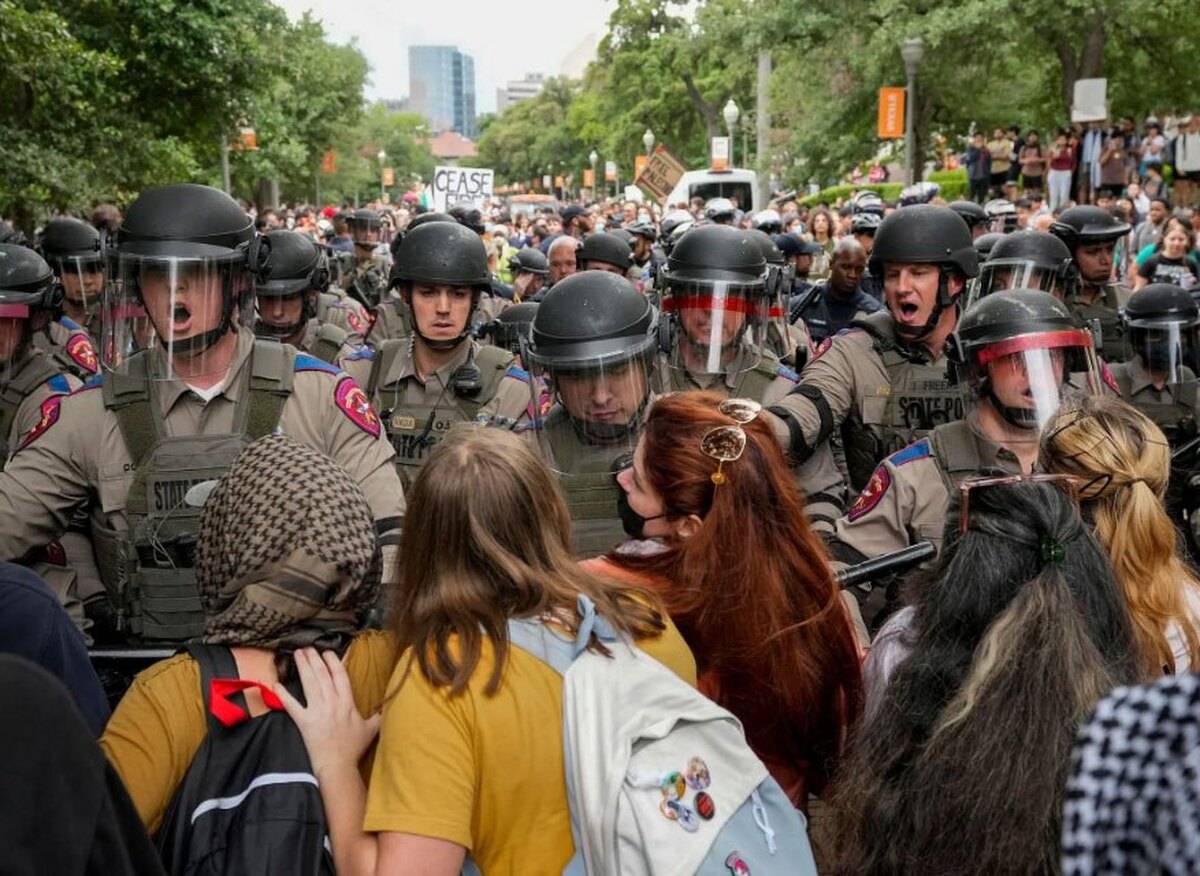
Today’s United States is a diverse society whose political attitudes no longer mirror those of previous generations. Thanks to social media, younger Americans are no longer confined to traditional mainstream narratives. This shift has allowed them to adopt more critical perspectives and explore the news from multiple angles. On the issue of Palestine, this change was decisive. Many young Americans began to uncover the inaccuracies and distortions spread by Israel-aligned media networks. Student campaigns across university campuses helped bring the opposing sides of the Gaza war into public debate, making it impossible to censor this large-scale violence ever again.
The collapse of the media monopoly sparked an outcome few could have imagined: a dramatic decline in Israel’s popularity among the American public. Polls conducted in the past two years show a steep drop in favorable views. The backlash grew strong enough that even the U.S. president warned Israeli leaders that uncontrolled violence could carry consequences, including diminished political support. Israel still enjoys traditional loyalty among older and conservative Americans, but not to a degree that can counterbalance the sheer demographic force of a younger generation unwilling to align with the regime’s interests.
Breaking the traditional media shield did more than shape public awareness. It also exposed the workings of the pro-Israel lobbying network in the United States, deepening public distrust. This shift is likely to fuel even greater long-term resentment toward Israel. Younger Americans are already grappling with domestic economic, social, and political challenges. For them, the idea of allocating tens of billions of dollars to Israel is increasingly unacceptable. This is the same generation that casts its votes based on “America First” priorities. Such an outlook puts long-term U.S. support for Israel at risk, especially amid an expanding generational divide over national values and priorities.
In addition, the International Court of Justice’s move to examine allegations of genocide against Palestinians further galvanized global humanitarian institutions. In the United States, young people seeking truth watched the live images of destruction and the deaths of civilians. What they saw was not justice but a world order driven by power and political interests. This realization may well plant the seeds of future disillusionment with the Western-led international system. After all, when criminals openly commit atrocities without fear of accountability, supported by powerful Western nations, it becomes clear that the system serves power rather than justice.
For the younger American generation, this revelation is not a passing moment. It is the spark of a much larger fire. A future where domestic priorities come first will inevitably make it harder for foreign lobbies to secure funding for their aligned regimes. And if the current global order fails to hold perpetrators accountable, pressure for structural change will only intensify. Otherwise, a domino effect of instability could sweep through the West, marking the end of more than seven decades of dominance by a system built on international institutions.
Translated by Ashraf Hemmati from the original Persian article written by Mohammad Mahdi Esmaeilkhanian
How Americans View the Israel-Hamas Conflict 2 Years Into the War | Pew Research Center
Americans Grow More Divided on US Support for Israel | Chicago Council on Global Affairs
US public opinion on Israel is changing, US policy will have to as well | Israel-Palestine conflict | Al Jazeera

Comment
Post a comment for this article