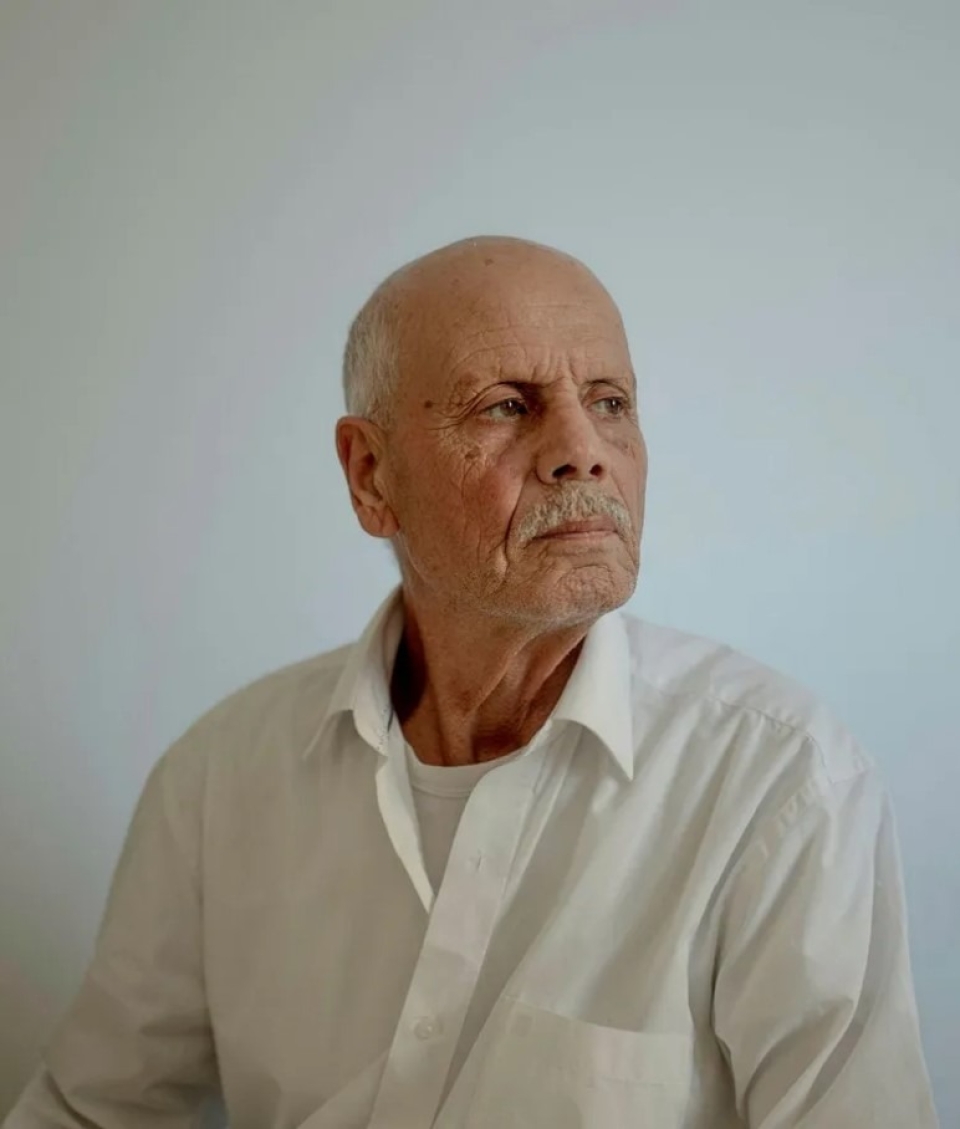
On January 24, 2026, the newspaper Haaretz published the testimony of Shaike Fishman, a 75‑year‑old teacher from Tel Aviv who was sentenced to six months in Ramla Prison for a minor tax violation (a 5,000‑shekel error). What he saw there, he writes, was “a nightmare.”
“At seventy‑five, I fell into a hell that destroys humanity,” Fishman wrote.
Ramla Prison—one of 33 prisons in the regime holding about 25,000 inmates—is horrifically overcrowded: four prisoners in a 9‑square‑meter cell, no ventilation, temperatures over 30°C, and the stench of urine and feces everywhere.
Food? Moldy bread, watery rice, and rotten chicken—Fishman lost 12 kilograms in three months.
“Constant hunger. Rats ate our food right in front of us!”
Contaminated water caused dysentery among all inmates. Medical care? None—ten prisoners died in January alone from untreated infections.
Violence by guards was a daily routine: beatings for “a bad look,” ten days in solitary confinement without food. Palestinian prisoners—about 60% of the population—faced torture; Fishman witnessed night interrogations using electric shocks.
“The Israeli prison system turns humans into animals,” he wrote.
Fishman also described the wave of suicides: 22 cases in 2025, five times the national average. Elderly inmates like him (5% over age 70) are forgotten—left without medication for diabetes or heart disease.
According to Haaretz, prisons are operating at 120% capacity, with an insufficient 15‑billion‑shekel budget and rampant corruption, as guards take bribes for cigarettes. The United Nations condemned the situation, but the regime ignored the criticism.
Fishman’s conclusion:
“I never recovered—this nightmare is lifelong.”
His story, Haaretz notes, is emblematic of the regime’s moral collapse: fake justice, zero human rights, and a darkening future—as 10,000 new Palestinian inmates are expected, a humanitarian disaster looms ahead.