The policy banning foreign media access to Gaza, which began with the outbreak of the Gaza war in October 2023, continues, with Benjamin Netanyahu's government justifying it on security grounds. On January 5, 2026, the government stated in response to an FPA petition to the Supreme Court that this ban must continue, as the entry of journalists without military supervision poses "serious risks." This response came after several deadline extensions from the court, which had previously reprimanded the government for delays.
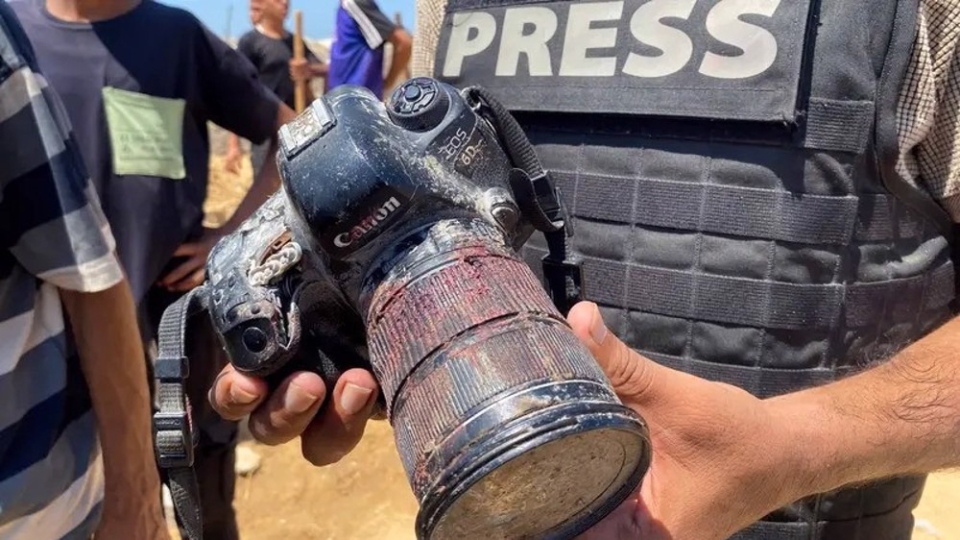
The FPA argues that this policy disrupts independent reporting and only allows entry with military escorts (embedded journalism), which reduces transparency. Foreign correspondents can only report from border areas or use images provided by the Israel Defense Forces (IDF). While Palestinian journalists operate inside Gaza, over 100 of them have been killed since the beginning of the war, which the United Nations has described as an "enormous personal cost."
This ban has sparked widespread international criticism. Human rights organizations such as Amnesty International and Reporters Without Borders consider it a violation of freedom of expression and warn that it could conceal war crimes. Globally, this policy is part of the pressure on Israel to respect human rights in Gaza, especially following International Court of Justice (ICJ) rulings that obligate Israel to be transparent.
Israel insists that this restriction is necessary to protect journalists and prevent the disclosure of military information, but critics see it as systematic censorship. This issue remains under consideration in the Supreme Court and may lead to a final decision that impacts the future of media coverage in conflict zones. With the Gaza war ongoing, the lack of media access could allow the official narrative to dominate and reduce public trust in information. The UN and relief groups have emphasized that this policy also affects humanitarian aid, as it limits independent monitoring of human conditions.
Ultimately, this ban represents Israel's broader challenges in balancing security and democratic rights. The FPA hopes the Supreme Court will overturn this policy, but so far, the government insists on its position. This event could spark further diplomatic discussions and impact Israel's relations with global media.