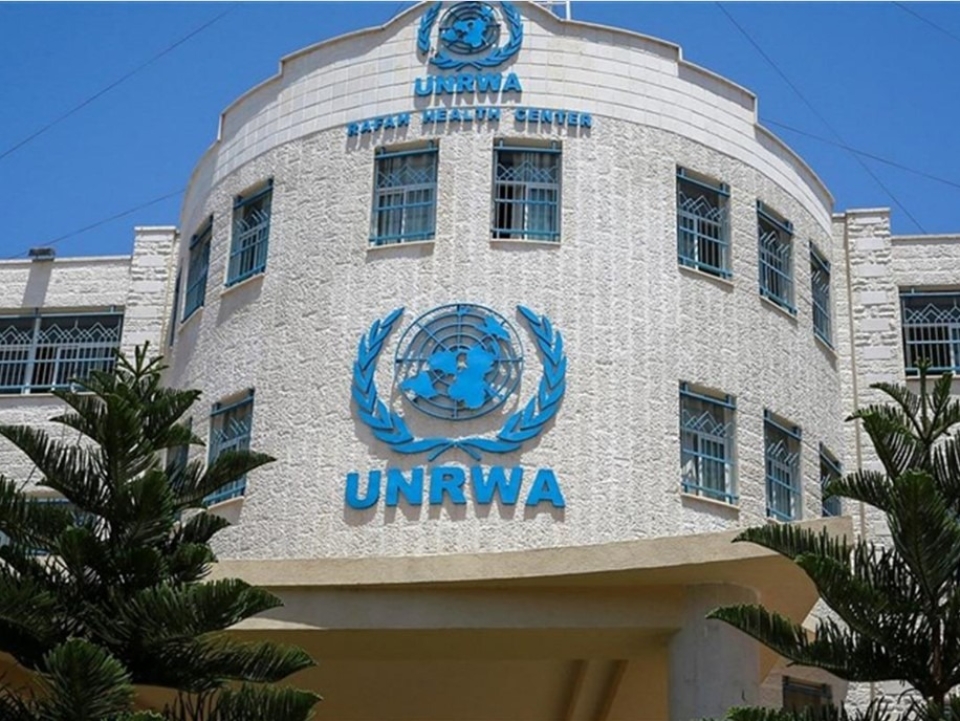
Amid escalating tensions between Israel and the international community regarding policies related to Palestine, seven European countries issued a joint statement on Monday, January 5, 2026, condemning Israel's new laws. These laws, passed by the Knesset (Israel's parliament) in December 2025, include a ban on providing water, electricity, communications, and banking services to UNRWA facilities in areas under Israeli control. The law was passed with a 59-7 vote, aiming to restrict UNRWA's activities, which Israel accuses of cooperating with terrorist groups.
The joint statement by these countries emphasizes that such actions "violate the United Nations' mandate, international law, and ICJ rulings" and will have "serious humanitarian consequences for the Palestinian civilian population and refugees." They called on Israel to repeal these laws and allow international non-governmental organizations (such as Médecins Sans Frontières) to continue their humanitarian activities in Gaza. These countries also pointed to Israel's cancellation of registration for 37 NGOs, which could disrupt vital aid.
This condemnation comes in the context of Gaza's humanitarian crisis, where UNRWA plays a key role in providing aid to over 5 million Palestinian refugees. The United Nations had previously condemned these laws and demanded their immediate repeal, considering them contrary to UNRWA's international legal status. Experts warn that cutting essential services like water and electricity in winter could worsen conditions for Gaza's residents, especially given ongoing conflicts and resource shortages.
The Israeli government has not yet formally responded to this statement, but its officials, like Benjamin Netanyahu, have previously rejected such criticism, emphasizing that their goal is to combat terrorism and increase transparency in relief organizations' activities. However, this event demonstrates Israel's growing political isolation in Europe, particularly among countries like Ireland and Norway, which have a history of supporting Palestinian rights. In their statement, these countries stressed the need to respect international obligations and warned that these measures could halt humanitarian aid in Gaza, where winter conditions are becoming more severe.
This condemnation is part of broader international pressure, including protests from the United Nations and relief groups. For example, the Commissioner-General of UNRWA warned that these laws could disrupt the agency's operations in Jerusalem, Gaza, and the West Bank. International law experts believe these measures could lead to further legal challenges at the ICJ, where Israel has previously been obligated to respect human rights.
Ultimately, this statement could spark further diplomatic discussions and impact Israel's relations with the European Union. Given the ongoing war in Gaza and the need for urgent aid, repealing these laws could be key to alleviating the humanitarian crisis. The international community now awaits Israel's response, which could influence the future of humanitarian aid in the region.